Makers of Slovenia: Lace, Clay, and Honey in Living Tradition

Set out across Slovenia to meet lace-makers in Idrija, potters shaping clay in Filovci, and beekeepers caring for the gentle Carniolan honey bee near Radovljica and beyond. Expect workshops, warm stories, museum insights, and tastings that blend craft, landscape, and heritage. Follow along, ask questions, and share your own discoveries as we travel.

Routes From Alps to Adriatic

Traverse winding roads and easy rail lines from Alpine valleys to Adriatic breezes, linking community studios, small museums, and family farms. This route favors unhurried mornings, intimate conversations, and scenic pauses for bread, cheese, and honey beneath linden trees. Mark your map, save favorite stops, and build a day that fits your pace.

Northern Highlands: Idrija and Radovljica

Begin where bobbins click like soft rain in Idrija, an old mining town now celebrated for lace so delicate it seems to float. Then continue toward Radovljica, where the Beekeeping Museum reveals painted hive panels and Anton Janša’s legacy. Keep space in your schedule for a roadside café, mountain views, and a friendly artisan who loves unexpected visitors.

Heart of Clay: Filovci and Prekmurje Fields

Glide east across the Mura River into thatched-roof Filovci, where black pottery emerges from smoke-fired pits like stars from dusk. Potters shape vessels inspired by daily life, grain, and harvest. Ask about firing days, respect workshop rhythms, and savor Prekmurska gibanica afterward, letting flaky layers echo the quiet patience of hands guiding spinning clay.

Coastal Finale: Piran and Salt, Sweet Honey Pairings

End by the sea with terracotta stalls, citrus-kissed breezes, and views toward the Sečovlje salt pans. Pair local honey with young goat cheese, discover ceramic spoons made for careful drizzles, and watch the sunset burnish roof tiles. Buses trace karst cliffs, gulls wheel overhead, and your tote grows heavier with memories shaped by salt, sweetness, and time.

Threads That Speak: Lace as Living Art
The Idrija Knot and Memory in Wood

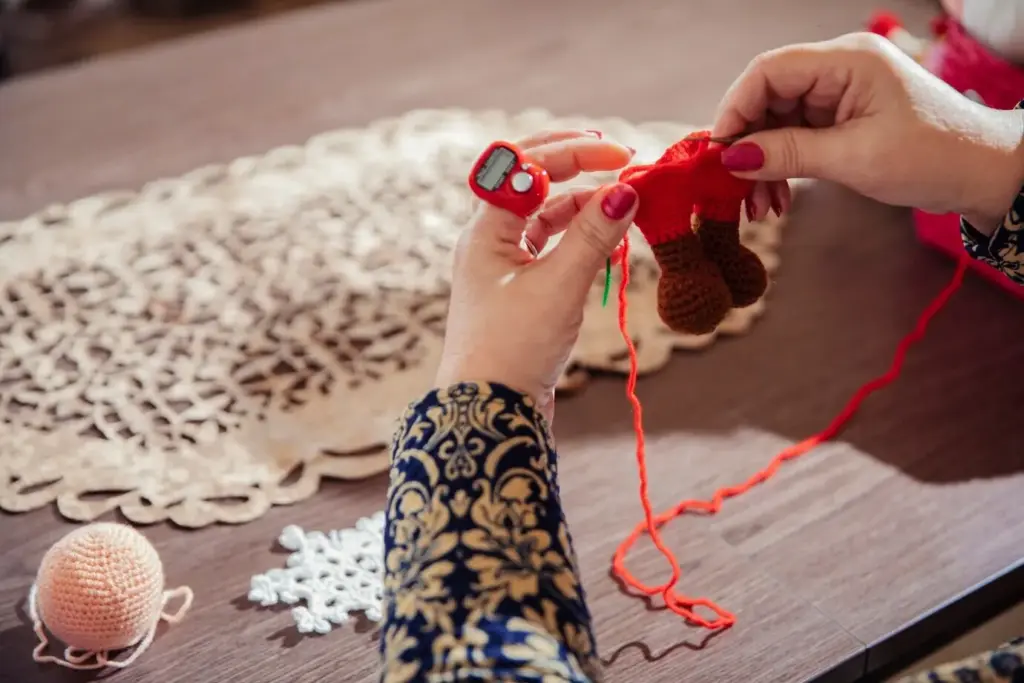
Notice the narrow tape curling across pillows, the signature of Idrija lace moving in graceful lanes. Each wooden bobbin carries initials, dates, and small charms polished by decades of work. The famous knot anchors corners firmly, preventing fray, yet what truly holds everything together is trust between teacher and learner, breath settling into the pattern’s steady rhythm.

Workshop Etiquette and Joyful Mistakes

Arrive with clean hands, curiosity, and time. Watch how artisans prepare pins and pricking patterns, then try a row without rushing. Applaud crooked beginnings; they open doors to grace later. Consider supporting a community class by purchasing a small bookmark or collar edging, and always ask permission before photos. Linger afterward, because stories bloom when schedules end.

From Pattern to Heirloom

Choose threads kindly—fine linen or cotton holds shape like morning frost. Ask about framing that protects against sunlight yet reveals subtle relief. Roll pieces in acid-free tissue for travel, and label maker names on cards. When you gift lace at home, retell the room’s scent, the bobbins’ music, and the smile that sealed your final stitch.

Shaping with the River Mura’s Rhythm

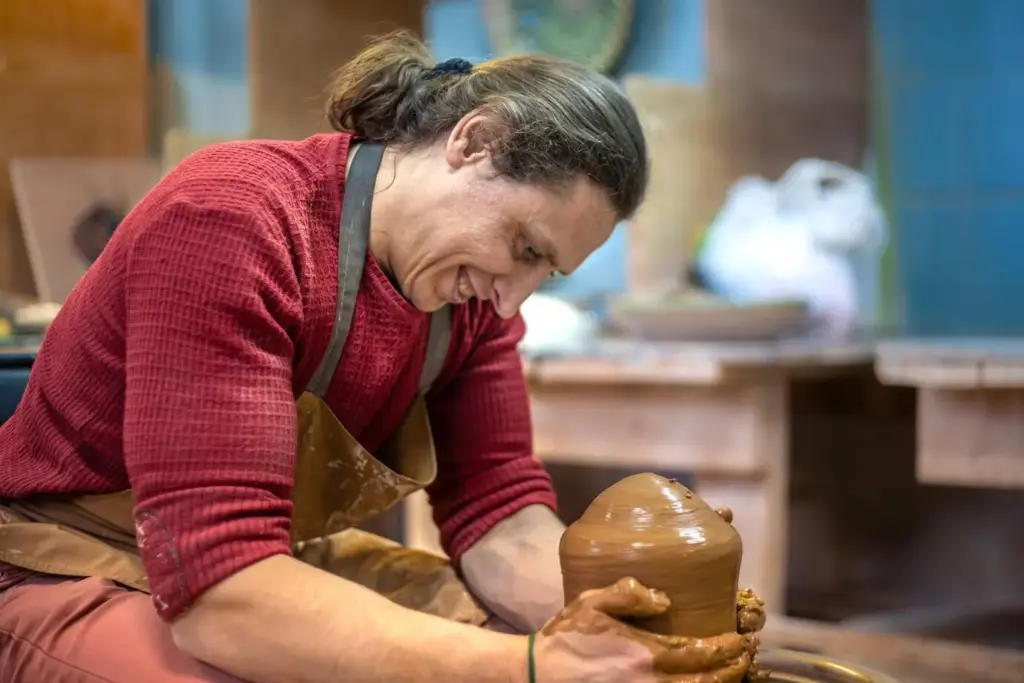
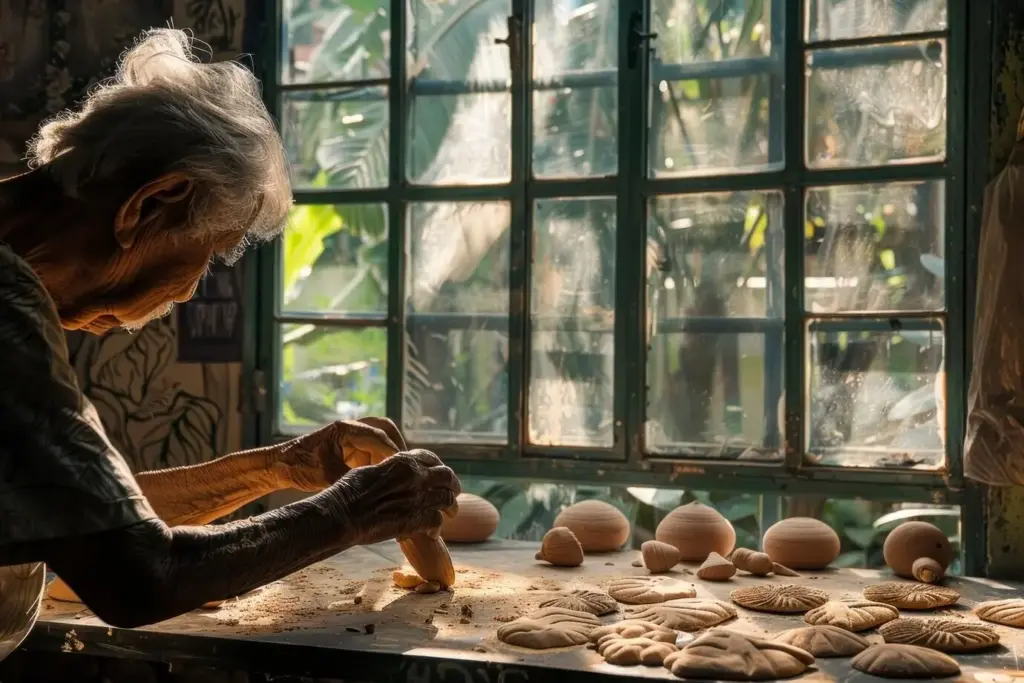
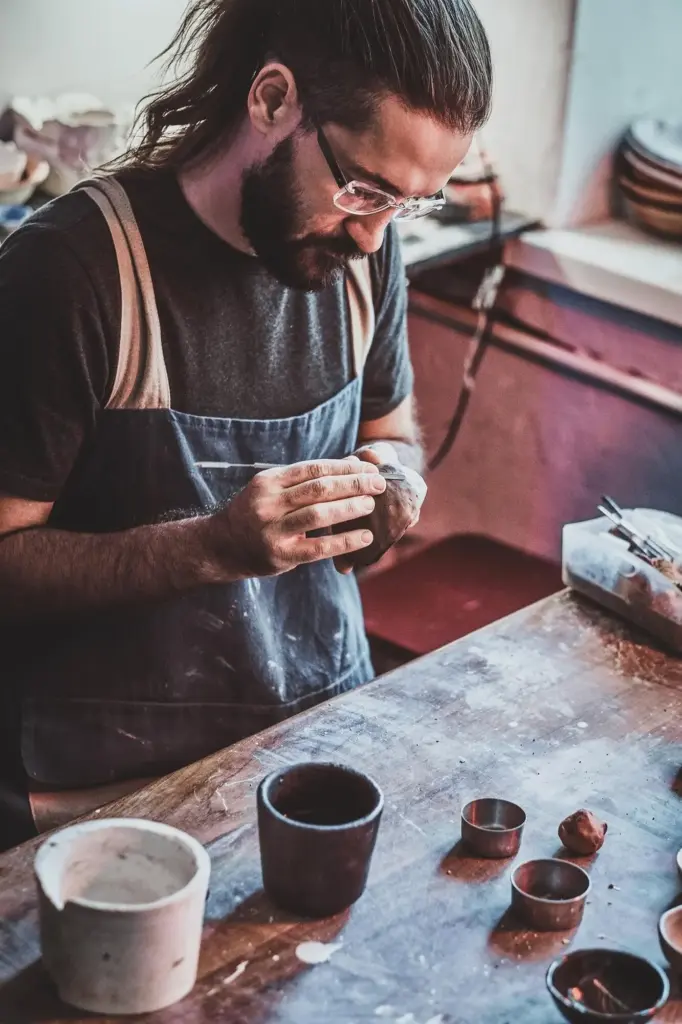
Local clay, dug with restraint and gratitude, meets water until it turns silky and loyal. As the wheel spins, shoulders relax and listening begins: pressure here, a breath there, the rim coaxed outward like a horizon. Your first bowl will wobble, yet tea will taste kinder in it. Imperfection teaches balance, anchoring the memory of turning earth.

Smoke-Fired Beauty and Care at Home

Black pottery carries soft sheen without glaze, seasoned by straw, wood, and darkness. Use for dry goods, flowers, or quiet corners needing presence. Rinse gently, avoid drastic temperature shocks, and celebrate patina as years add their own smoke. When guests ask, tell them about ash-scented mornings, kiln whispers, and the humble miracle of clay surviving flame.

Designs Rooted in Everyday Life

Handles curve for hands that carry soup and stories. Motifs echo wheat, rivers, and woven fences. No flourish feels idle; everything answers a need—pouring, storing, serving, sharing. Ask makers about ancestral forms, then notice how contemporary lines still respect hearth and harvest. Craft changes gently, like dialects, while remaining fluent in nourishment, gratitude, and welcome.

Guardians of the Hive: Sweet Science
Meeting the Carniolan Bee, Calm and Industrious
Known as Apis mellifera carnica, this gentle lineage thrives in cool valleys and mountain edges, prized for thriftiness and measured spring buildup. Keepers praise its temperament and silver-gray fuzz. Step quietly near demonstration hives, listen for pitch shifts that reveal mood, and learn why patience keeps colonies steady, neighbors content, and harvests honest through uncertain weather.

Painted Panels and Stories on Wood

Bright hive panels once lined rural apiaries like open-air libraries, telling jokes, offering blessings, and recording local events. Scenes range from saints helping farmers to foxes outwitting hunters, each brushstroke protecting a family’s bees. In galleries, trace fingerprints, wonder about authors, and imagine evenings when lamp light dried paint while hives murmured just beyond the door.

Tasting Flight: Linden, Chestnut, Forest Honey

Begin with linden, cool as minty tea. Shift to chestnut, bold and tannic with woodland dusk. Finish with forest honey, resinous and smooth. Pair with walnuts, sheep cheese, or warm bread. Note textures, crystalline or silk. Write impressions, compare seasons, and thank the keepers whose careful stewardship lets landscapes sing directly onto your favorite spoon.

What to Pack for Lace, Clay, and Hives

Bring a cotton apron, hair tie, and travel-sized hand cream to soothe post-clay palms. Slip a notebook and pen into your bag for sketches, stitches, and tasting notes. Choose light, long sleeves around hives, neutral colors, and sturdy shoes. Reusable water bottles, a snack of fruit and nuts, and a small tote protect delicate purchases homeward.

Respectful Photography and Communication

Ask before photographing faces or finished pieces, avoid flash near bees, and keep phones pocketed during demonstrations. A few Slovenian words—prosim, hvala—soften every door. Smile, wait for pauses, and listen more than you speak. Afterward, leave a heartfelt review, tag the studio with permission, and recommend artisans to friends so community voices carry confidently forward.

Timing, Transit, and Weather Wisdom

Trains and regional buses flow reliably between hubs, but rural workshops may require a short taxi or rented car. Mornings favor lace and pottery; bees appreciate warmer afternoons. Storms gather quickly in mountains, so watch forecasts and pivot kindly. Add generous buffers, because unplanned conversations often become the day’s brightest mastery, memory, and gratitude.

Sustaining Traditions, Supporting People

Every purchase is a promise: to return, to recommend, to remember a maker by name. Pay fair prices, resist hard bargaining, and seek labels like Slovenski med for provenance. Choose small studios over mass shops, carry reusable bags, and share artisans’ contacts with friends. Your kindness circulates, strengthening villages, classrooms, and the next apprentice’s brave beginning.

Buying with Purpose and Provenance

Ask who made each piece, when, and how. Request receipts with workshop details, protecting stories as well as goods. For honey, look for certified origin marks; for lace, learn to spot machine edges. Pack pieces carefully, then message the maker upon arriving home. That simple thank-you transforms transactions into relationships, anchoring futures beyond a single visit.

Small Actions, Big Ripples

Refill bottles at public fountains, recycle thoughtfully, and keep voices low near farms and hives. Choose local meals, seasonal produce, and family guesthouses. If you learn something useful, share it; if you break something, own it kindly. Tiny courtesies accumulate like stitches, turning travel into stewardship and ensuring the next visitor is welcomed with open hands.
Dexoveltotavonilo
Privacy Overview

This website uses cookies so that we can provide you with the best user experience possible. Cookie information is stored in your browser and performs functions such as recognising you when you return to our website and helping our team to understand which sections of the website you find most interesting and useful.