
Sip Lightly Through Vipava Valley and Goriska Brda

Welcome to Sustainable Wine Journeys in Vipava Valley and Goriska Brda, where slow travel, thoughtful farming, and soulful glasses belong together. Wander sunlit terraces shaped by generations, feel the cleansing burja wind, and meet families whose respect for soil, water, and heritage turns every pour into a promise. Expect practical tips, inspiring stories, and routes that help you tread gently while savoring character, culture, and unforgettable landscapes.

Winds, Springs, and Living Soils

Here, vineyards breathe with weather and stone: the fierce, clarifying burja of Vipava, the water-holding opoka marl in Goriška Brda, and a mosaic of hedgerows, orchards, and meadows that knit habitats together. Sustainable growers lean on nature’s rhythms, building humus, welcoming pollinators, and guiding roots to resilience. The result is fruit that tastes of place, and land that carries fewer scars after storms, heatwaves, and thirsty summers.

When the Burja Clears the Sky

Vipava’s burja is more than a headline wind; it reduces disease pressure, speeds drying after rain, and keeps sprays to a minimum when farmers steward canopies with care. Windbreaks of native trees shelter rows, while trellising choices protect clusters without trapping humidity. Visitors often notice clearer horizons and brighter flavors, as cleaner leaves collect sunlight efficiently, translating the air’s brisk energy into quietly vivid, naturally balanced wines.

Terraces on Opoka and the Green Between the Rows

In Goriška Brda, opoka marl crumbles into fine, mineral-rich soils that store winter moisture for summer roots. Growers seed diverse cover crops between rows, anchoring terraces against erosion while feeding soil life with roots and residues. Clover, vetch, and native grasses invite insects and earthworms, improving structure and carbon storage. Minimal tillage preserves that living architecture, so every storm finds a sponge instead of a slide.

Cellars That Breathe Sunshine

Across both regions, energy-smart wineries pair ancestral craft with modern stewardship. Solar arrays hum on terracotta roofs, gravity replaces pumps where hills allow, and pruned canes fuel biomass heaters. Waste becomes resource: pomace feeds compost, distillations become fragrant grappas, and barrels live long, carefully repaired lives. Even choices you can hold—glass, cork, ink—are reconsidered, shrinking footprints without shrinking generosity in the glass.

Power From the Roof, Warmth From the Prunings

Panels sip the sun while vines photosynthesize below, creating a tight loop of regional energy. In winter, chipped prunings heat water through efficient boilers, replacing fossil fuels with yesterday’s growth. Inside cellars, smart meters nudge operations into off-peak hours. Some estates aerate with hillside drafts, cooling barrels naturally. The harmony feels tangible when you notice quiet compressors, content barrels, and teams proud to guide watts as carefully as fermentations.

Lighter Bottles, Smarter Labels, Longer Journeys

Many producers choose lighter, recycled-glass bottles that spare emissions without sacrificing elegance on the table. Labels lean on water-based inks and recycled papers, while QR codes replace bulky print collateral. When shipments travel far, kegs for by-the-glass programs reduce waste dramatically. Locally, refillable growlers at enotecas keep souvenirs functional. Each design decision cascades outward, letting treasured bottles move across borders more lightly, yet arrive speaking clearly of their hillside origins.

Clean Barrels, Clean Water, Cleaner Rivers
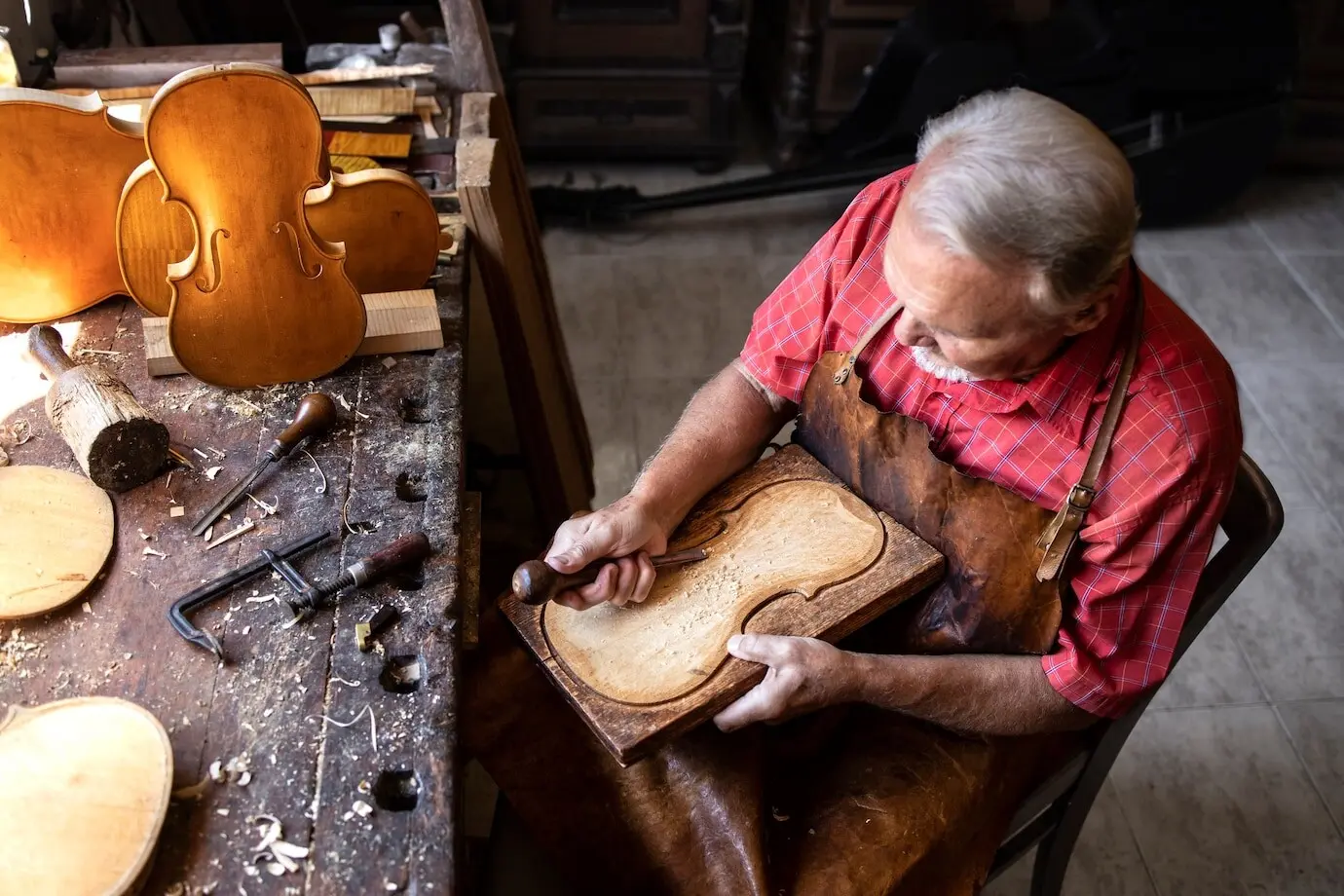
Winery water is sacred. Steam, ozone, and targeted clean-in-place systems replace harsh chemicals and endless rinses. Recovered gray water irrigates landscaping or flows through reed-bed wetlands where microbes finish the job. Floor drains bow to squeegees and brooms, and staff track every liter. These backstage rituals rarely make postcards, yet they protect streams feeding the Vipava and Soča watersheds—quiet commitments that carry every tasting toward true refreshment.

E-Bike Ribbons Across the Hills

Rent e-bikes in Dobrovo or Šmartno and float along cherry orchards, stone villages, and vine-laced spines. Charging is often available at wineries—just call ahead. Early rides dodge midday heat and leave afternoons for cool cellars. Pack a light lock, sun protection, and a small repair kit. You will taste more attentively when the day’s soundtrack is wind, gravel, and bees instead of horns, brakes, and restless clocks.

Rails, Buses, and Friendly Shared Seats
Begin by rail to Nova Gorica, then ride regional buses threading Vipava’s towns and Brda’s slopes. Last miles can be walked, biked, or shared through community platforms that locals actually use. Cross the footbridge linking Nova Gorica and Gorizia to feel history spanning borders. Fewer cars simplify parking near tiny cellars and chapels. Your reward is calmer intersections, safer cyclists, and hosts with more time to talk rather than manage congestion.

Sleep Where the Stars Are Counted

Pick farmstays and inns investing in solar warmth, efficient insulation, and kitchen gardens that cut food miles to footsteps. Breakfasts carry orchard fruit, eggs from nearby coops, and bread from village ovens. Many places compost and sort waste meticulously, inviting guests to participate. Ask how your stay supports local restoration or trail maintenance. Rest becomes part of the landscape’s care, and you wake to birds tallying dawn above dew-sparkled vines.

Native Grapes, Honest Glasses

Character here rides local varieties shaped by hills and heritage. Vipava’s Zelen and Pinela bring delicate aromatics and breezy textures; Brda’s Rebula ranges from zesty and saline to amber and contemplative. Low-intervention choices—spontaneous ferments, gentle extractions, thoughtful sulfuring—seek clarity rather than noise. Taste side by side, ask brave questions, and notice how patience, cleanliness, and humility whisper through each sip more convincingly than slogans ever could.

Zelen and Pinela: Whispered by Wind

Zelen often shows lime zest, meadow herbs, and a stony, mouthwatering finish, while Pinela leans toward pear, almond, and a silkier mid-palate. Families cite the burja as their lean, invisible partner, shaping canopies and thickening skins. Pair with river trout, foraged asparagus, or farmhouse cheese. When handled with restraint, these wines stay nimble yet persistent, turning simple lunches into memories that hover like swallows above sunlit rows.

Rebula: From Zesty to Amber Glow

Goriška Brda’s signature Rebula (Ribolla Gialla) thrives in opoka, translating marl into mineral lines and citrus pith. Stainless-steel versions crackle with freshness; skin-contact renditions add tea, quince, and gentle tannin that wraps savory dishes beautifully. Visit small cellars in Medana or Biljana to witness versatility spanning sprightly aperitifs to meditative, cellar-aged bottles. Notes of wildflower honey and chamomile often bridge styles, tying freshness to texture with patient grace.

People, Heritage, and Table Traditions
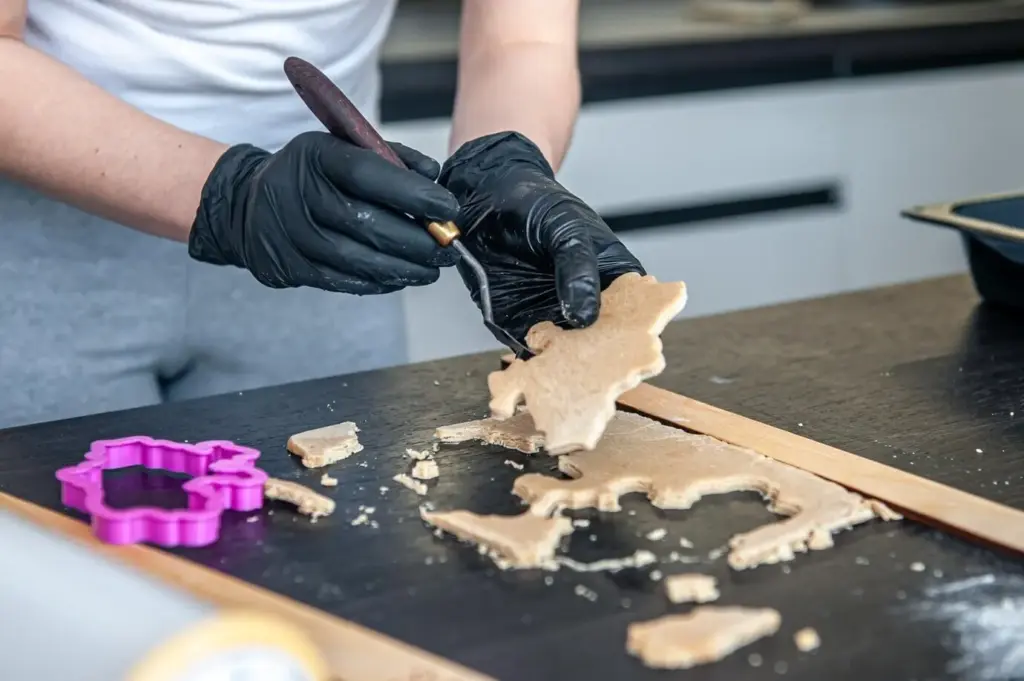
Terraces do not stack themselves; hands remember. Families here rebuild walls stone by stone after heavy rains, trade cuttings among neighbors, and celebrate harvest with recipes older than border lines. Kitchens waste little: stews welcome stems of garden greens, and day-old polenta returns as golden slices. Festivals salute cherries, Rebula, and community service, proving hospitality can be generous and disciplined at once—joyful revelry without careless footprints.

Stone, Hands, and Patience

A grandfather in Vipava tells of hauling limestone on winter mornings, turning slopes from landslide risks into ladders of hope. Those terraces now anchor vines and family stories. He teaches grandchildren to read clouds, mend tools, and listen for water in dry months. The lesson echoes: care invested slowly pays forward for decades, pouring as calm confidence when storms test the hillside’s stitched resilience.

Garden to Plate, Nothing Wasted

Across Brda, cooks fold garden parsley, chard stems, and leftover beans into comforting jota and herb-flecked omelets. Grape must sweetens cakes without refined sugar, and bruised fruit becomes jam for winter breakfasts. Trimmings feed chickens or compost, circling nutrients home. Pair such cooking with nimble whites or light reds, and experience a table where thrift elevates flavor, weaving gratitude into every forkful and every grateful, attentive sip.

Gatherings With Purpose, Glasses With Care

At the Rebula and Friends celebration or the Cherry Festival, reusable cup systems cut waste, volunteers guide recycling, and vendors highlight local ingredients. Music spills through squares while farmers compare cover-crop successes between dances. Visitors sign up for morning cleanups on trails they walked yesterday. These shared efforts remind everyone that feasting and responsibility belong together, and that tomorrow’s tastings depend on today’s cheerful, intentional choices.

Itineraries for Every Season

Plan with rhythm, not rush. Spring means blossom-framed lanes and brisk whites; summer invites cool cellar tours and twilight bike rides; autumn asks respect for harvest schedules; winter rewards curiosity with unhurried conversations. Book tastings ahead, bring a small notebook, and choose routes that trim backtracking. Share your favorite stops, subscribe for new, low-impact ideas, and help this evolving guide spotlight places where your presence strengthens what you came to love.
Dexoveltotavonilo
Privacy Overview

This website uses cookies so that we can provide you with the best user experience possible. Cookie information is stored in your browser and performs functions such as recognising you when you return to our website and helping our team to understand which sections of the website you find most interesting and useful.